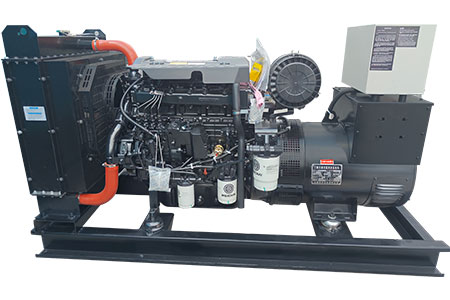
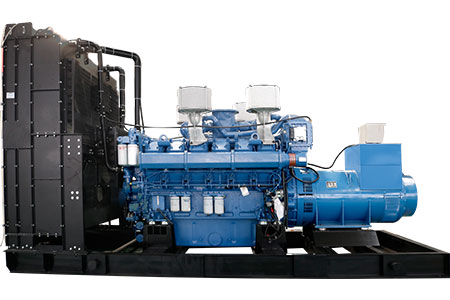
Efficient use of diesel generators is crucial for energy conservation, cost reduction in operation, and improvement of equipment reliability. To achieve diesel generator efficient use, we provide a systematic solution from four core dimensions: diesel generator technical optimization, diesel generator operation management, diesel generator maintenance, and diesel generator intelligent application, helping enterprises reduce energy consumption and improve equipment stability.
Diesel generator technical optimization is the foundation of energy conservation, mainly through hardware upgrades to improve overall efficiency and reduce fuel consumption.
Turbocharging and intercooling technology: By increasing the intake pressure and cooling the intake temperature, it enhances combustion efficiency and reduces fuel consumption rate (up to 5% - 10% decrease in fuel consumption), which is a key measure for diesel generator energy conservation.
High-pressure common rail fuel system: Precisely controls the fuel injection pressure and timing, achieving more complete combustion and reducing carbon smoke and particulate emissions, while further promoting diesel generator energy conservation.
Electronic governor: A replacement for mechanical governor, it dynamically adjusts the engine speed, preventing overloading or idling, and saves 5% to 8% of fuel, effectively improving diesel generator efficient use.
Permanent magnet synchronous generator: Compared with traditional excitation generators, it has an efficiency increase of 2% - 3%, and is smaller in size with lower maintenance costs, optimizing diesel generator maintenance efficiency.
Parallel control system: When multiple units operate in parallel, the load is intelligently distributed to prevent individual units from operating inefficiently. The overall efficiency can be increased by 10% to 15%, significantly improving diesel generator efficient use.
Selective Catalytic Reduction (SCR): Reduces nitrogen oxides (NOx) using a urea solution, meeting the standards of Euro VI and China VI emissions, and complementing diesel generator energy conservation.
Particulate Filter (DPF): Captures diesel particulate matter (PM), reduces black smoke emissions, and is suitable for use in urban areas or environmentally sensitive regions, ensuring green operation while realizing diesel generator efficient use.
Scientific operation management is an important link to ensure diesel generator efficient use, which can effectively reduce energy losses and extend equipment service life.
Avoid "overloading the vehicle": Operating with a low load (less than 30%) for a long time will lead to decreased fuel efficiency and carbon deposits. It is recommended to keep the load rate between 70% and 80%, which is the key to diesel generator energy conservation and efficient use.
Hierarchical startup strategy: Start the units in stages based on load requirements to prevent multiple units from operating inefficiently simultaneously, improving the overall level of diesel generator efficient use.
Intelligent temperature-controlled fan: Automatically adjusts the fan speed according to the engine temperature, reducing mechanical wear and energy consumption, and providing guarantee for diesel generator efficient use.
Coolant selection: Use long-lasting antifreeze to prevent corrosion and scaling, and maintain the efficiency of heat dissipation, which is conducive to diesel generator maintenance and efficient operation.
Fuel preheating: Preheating the fuel in low-temperature conditions to improve atomization effect and reduce fuel consumption, further promoting diesel generator energy conservation.
Air filter maintenance: Replace or clean the filter element regularly to ensure adequate air intake and prevent incomplete combustion, which is an important part of diesel generator maintenance and efficient use.
Diesel generator maintenance is the key to ensuring long-term stable operation, reducing failure rates, and indirectly realizing diesel generator energy conservation and efficient use.
Oil change: Replace the full synthetic oil every 250 - 500 hours to reduce friction loss, which is a basic measure for diesel generator maintenance.
Fuel system cleaning: Clean the fuel injectors and fuel pump every 500 hours to prevent clogging and wear, ensuring the effect of diesel generator energy conservation.
Check of belts and tensioning wheels: Prevent efficiency decline or mechanical failures due to looseness, ensuring diesel generator efficient use.
Vibration analysis: By using sensors to monitor the engine vibration, potential bearing or crankshaft wear can be detected in advance, reducing the difficulty of diesel generator maintenance.
Oil analysis: Regularly test for metal particles in the engine oil and coolant to assess the degree of component wear, providing data support for diesel generator maintenance and efficient use.
Inventory optimization: Based on historical failure data, reserve key spare parts (such as filters and belts) to reduce downtime, improving the efficiency of diesel generator maintenance.
Supplier cooperation: Establish long-term partnerships with original equipment manufacturers or certified suppliers to ensure the quality and timely supply of spare parts, guaranteeing continuous diesel generator efficient use.
Diesel generator intelligent application relies on data-driven, which can significantly improve operation efficiency, reduce manual intervention, and optimize diesel generator efficient use and energy conservation effects.
Real-time data collection: Monitoring parameters such as voltage, current, frequency, fuel consumption, etc., and generating operation reports, providing a basis for diesel generator efficient use and maintenance.
Abnormal warning: By analyzing data through algorithms, potential faults (such as low oil pressure, excessively high water temperature) can be detected in advance, reducing the cost of diesel generator maintenance and ensuring stable operation.
Load forecasting: By integrating historical data and weather predictions, optimize the start-stop schedule of the generating units, maximizing diesel generator efficient use and energy conservation.
Carbon footprint tracking: Calculates emissions such as CO₂ and NOx, supporting ESG reporting by enterprises and carbon trading, while reflecting the effect of diesel generator energy conservation.
Dynamic speed regulation: Automatically adjusts the engine speed according to load changes, achieving "energy supply on demand", and improving diesel generator efficient use and energy conservation effects.
Health Score: A comprehensive health score is generated based on operational data to guide maintenance priorities, optimizing diesel generator maintenance efficiency.
Background: A large-scale data center uses four 2000kVA diesel generators as backup power sources, and its core demand is diesel generator efficient use and energy conservation.
Measures:
Upgraded to a high-pressure common rail engine and a permanent magnet synchronous generator, the efficiency has been increased by 8%, realizing effective diesel generator energy conservation.
Deploy an intelligent parallel control system to dynamically adjust the number of operating units according to the load, improving diesel generator efficient use.
Install the SCR + DPF after-treatment system to meet local environmental protection requirements, while ensuring diesel generator energy conservation and green operation.
Effect: Annual fuel consumption reduced by 12%, maintenance costs decreased by 20%, and compliance rate with emission standards reached 100%, which fully verifies the effect of the systematic solution on diesel generator efficient use and energy conservation.